Haute in the City
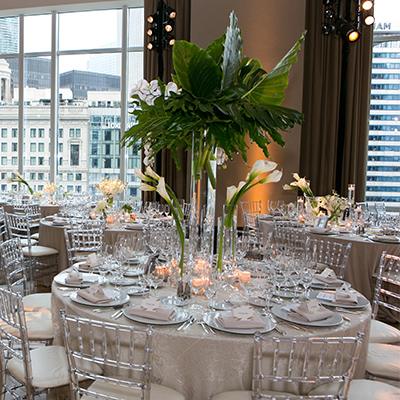
Location: Loews Chicago Hotel
Photography: Rick Aguilar Studios
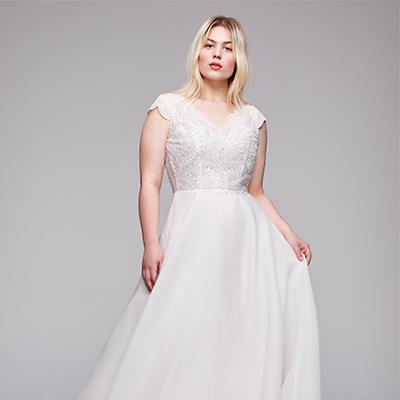
Styling: The Wedding Dresser
Hair: Zazú Salon
Makeup: Bridal Brigade
Location: Loews Chicago Hotel
Photography: Rick Aguilar Studios
Styling: The Wedding Dresser
Hair: Zazú Salon
Makeup: Bridal Brigade
The Team:
Planner/Stylist: Lillian Rose Events
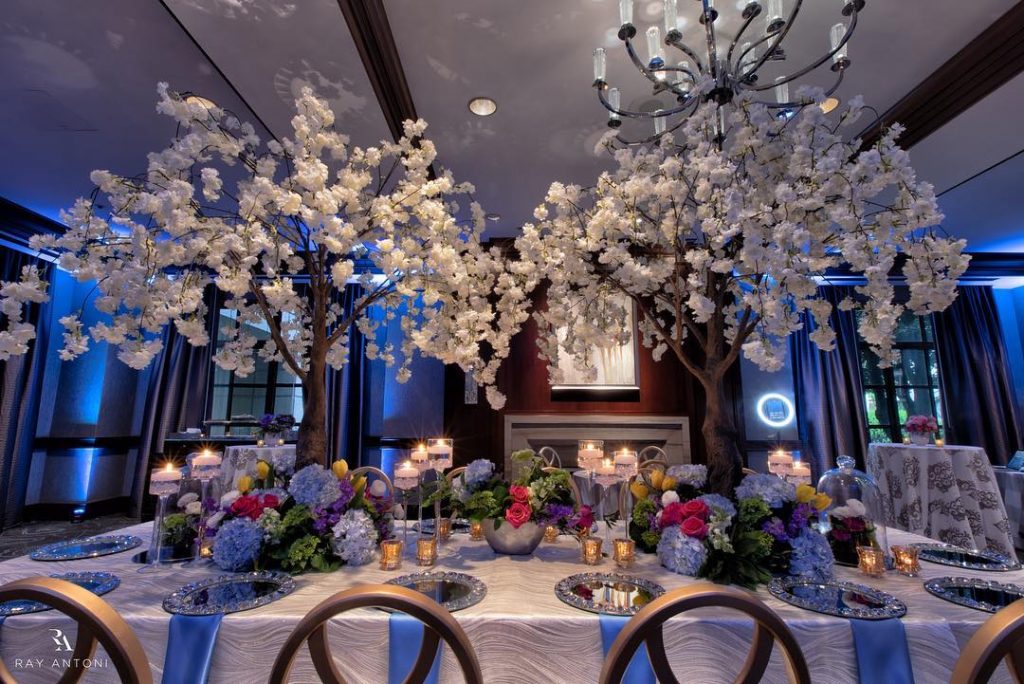
Floral & Décor: Phillip’s Flowers – Elmhurst
Cake & Sweets: Vanille Patisserie
Stationery: MAXE Designs
Rentals: BBJ Linen; Dish & Décor Vintage Rental
Venue: Venue SIX10
Photography: Ashley Galminas Photography
Vote Here
Stage fright walking down the aisle, that weird thing your hair is doing, or the weather forecast gone awry, these are just some of the factors that can induce wedding day anxiety. The good news is, there are tons of tips and tricks for keeping it together when you start to feel totally overwhelmed.
In your day-of bridal survival kit, consider tossing in a small bottle of lavender essential oil. lavender oil has long been studied for its calming properties, helping to eliminate
anxiety and soothe stress. a couple of drops on the inside of your wrists or on the soles of your dance-fatigued feet, followed by some deep breathing, can totally Zen you out in a pinch.
Planning for plan B isn’t easy. You had your heart set on first-look photographs outdoors and it’s pouring rain. now what? A great wedding planner (or a bestie who’s been there) can help you plan for plan B, before the wedding. That way, you will have a solution on hand, one that will keep your day from going totally off the rails.
Do you keep missing the tray of mini quiche appetizers because yet another cousin has pulled you aside to say hi? While making your guests feel welcome is critical wedding day etiquette, you’re also entitled to a break from the chit-chat. Having a member of your bridal party nearby will give you time to relax and refuel for a second wind.
Feeling like you have not had enough one-on-one time with your new spouse? Give the DJ a heads up that you would like to take things down a notch for a couple of songs. Take advantage of this time to reconnect with one another, even if it’s just for three minutes to waltz to “When a man loves a Woman”. For a day dedicated to celebrating the two of
you, surprisingly, you see very little of each other once the festivities begin.
Normally, an extra glass of wine or two, to help you unwind after a long day is entirely fair game. But, if you find yourself repeatedly hitting the open bar to relieve that wedding day anxiety, you might want to think twice. From being too buzzed to appreciate memorable moments to getting a little sloppier than intended, using the open bar as your anxiety outlet is probably best avoided. save those celebratory sips for the honeymoon.
While every couple’s wedding is unique, when it comes to planning the Big Day, it often seems that a large amount of focus and energy goes toward planning the perfect reception. Of course, the reception and all of its intricacies are indeed a big undertaking – but it’s only one part of your wedding day. The reception is a celebration of the
ceremony that precedes it, and planning the ceremony takes time and effort as well. As you work toward putting together your perfect day, consider these seven key ceremony aspects.
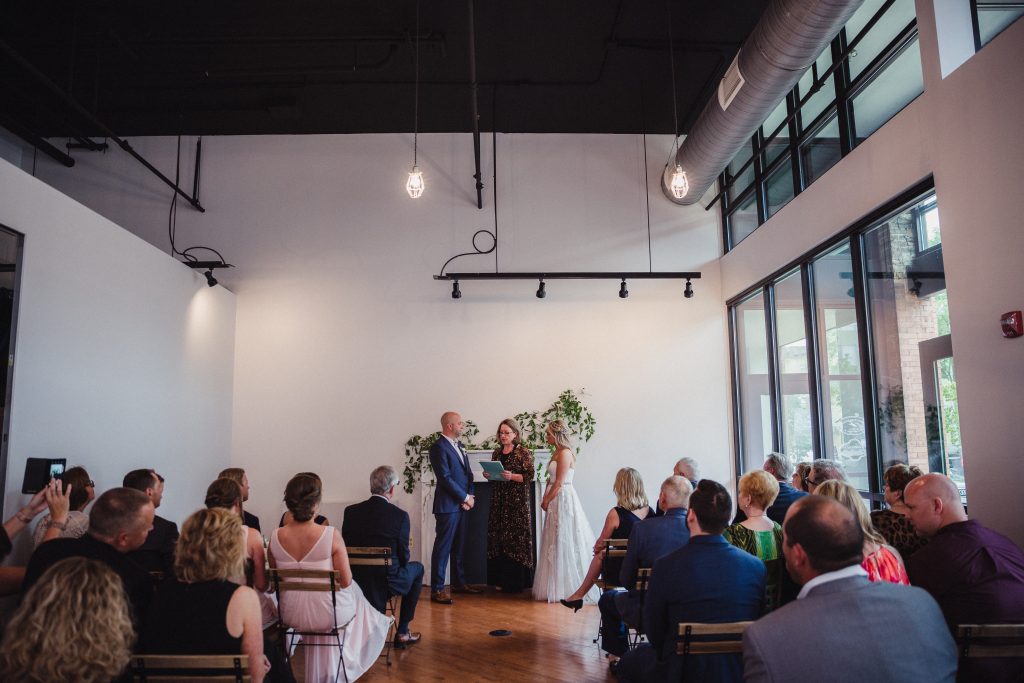
Many ceremonies have a pretty standard set-up: the couple and officiant are up front, the bridal party is on either side, and the guests are seated in rows (with an aisle in-between). But that doesn’t mean every ceremony looks that way. Depending on your venue, the layout might be slightly different. Make sure you discuss with your wedding planner or the venue manager exactly how everything will look. Some questions you may consider asking include: Where will you and your officiant stand? Will you be on a platform elevated slightly above your guests, or on the same level? Where will your bridal party stand or sit? Where will your guests sit? Will everyone be able to see the action?
It’s worth having a conversation with your photographer and videographer once you have a concept of the layout, so they can ensure they’ll be able to get the photographs they need.
If you’re following a fairly traditional ceremony (such as a religious one), the length may be dictated by the predetermined elements of that ceremony. If not, it’s a good idea to consider how long you ideally want your ceremony to last before figuring out the individual parts of it. Do you want it to be a short and sweet 20 minutes and get your guests quickly to cocktail hour? Or do you want to take more time – perhaps 45 minutes to an hour – to incorporate more components that are important to you? Keep in mind that the length of the ceremony affects the rest of your schedule as well. When deciding on ceremony length, try mapping out a rough itinerary for the day, working backward from your reception. If the ceremony is 45 minutes, for example, what time will you need to start in order to get you and your guests to the reception on time? If the ceremony and reception are at the same venue, what time will you need to start to ensure the cocktail hour starts on time?
If you are putting together your ceremony without following a predetermined layout, it’s up to you to decide the order of events. Some of the most traditional elements of a ceremony include the processional, the officiant’s greeting and message to the couple, the declaration of intent, the readings, the vows, the exchange of rings, the pronouncement of marriage, the kiss, and the recessional. There are of course certain components that clearly fit into certain spots, but you have some freedom with the order of the ceremony, after all, it’s your ceremony. While you may find that plenty of couples do the declaration of intent immediately before the vows, for example, it’s completely fine to swap those two, or include a reading in between. You can intersperse a few readings throughout the ceremony or have them read consecutively. Try “storyboarding”
the ceremony: write each element on a small piece of paper, lay them out in order, and then play around with them until you find something that feels right for you and your fiancé.
One of the most fun parts of planning your ceremony is deciding what elements you’ll include. Again, there are plenty of traditional components to a wedding ceremony, but you can decide which of those to use and not use, as well as any additional “events” you may fancy. The decisions can be based on whether the ceremony is religious, non-denominational, or perhaps a fusion of two different cultures. The ceremony can be based on what speaks to you and what best represents you as a couple. For example, you may want to include a memorial to loved ones, a thank you to your guests, a “Blessing of the Hands,” or a musical performance, the options are limitless.
Customize the content and wording of your Big Day as you would like. Don’t feel constrained to only the most common wedding readings. For example, if you want someone to recite the lyrics of your favorite song, go for it! And when it comes to things like the declaration of intent, there are many variations your officiant can use leading up to the “I do”. Browse online and find versions that really speak to you. Many people choose to incorporate a mini “unity ceremony” within the larger ceremony. If you go that route, consider what style of unity ceremony you would like – such as mixing two different colors of sand into one glass vase or using two separate candles to light one unity
candle simultaneously.
There are a few things to think about when it comes to ceremony music. First, decide where you want music to be incorporated into your ceremony. Will it only be during the processional and recessional? Do you want anything to play softly in the background of events like the unity ceremony or ring exchange? Do you want to include a vocal or
instrumental performance in the middle? Once you’ve made those decisions, you can move on to choosing the tunes and how the music will be played (such as live instrumentals via a string quartet or harp, a live vocalist, or recordings played over a speaker). If you’re working with a musician, they can likely play you some samples and help you decide what direction to go with your song selections.
The participants include the usual suspects: you, your future spouse, and your officiant, of course. But, who else will be involved in your ceremony? What roles will your bridal party play in the ceremony? Will they stand the entire time on either side of you or will they sit in the front row? Are there any additional tasks you need to assign them (like holding bouquets or rings)? Beyond bridesmaids and groomsmen, consider how you might incorporate other important people into your ceremony. Perhaps you’ll have two parents light the individual candles ahead of the unity ceremony or ask a close friend to do a reading.
Think about what types of physical elements to include in your ceremony. Will you get married under a chuppah or wedding canopy? If so, plan ahead to secure the purchase or rental of one along with any additional components, like silk draping or an additional floral display. Don’t forget to confirm the logistics of delivery, set up, and break down. Then, there are the smaller things such as an aisle runner, a microphone, and a table for the unity ceremony. Many items like candles, chairs for your musicians, programs, as well as a card box may seem like small details that can be figured out last minute, but those small details can add up to big headaches when you’re trying to take care of them the week of your wedding. Get ahead of it by making a list early on, checking off when you acquire the items, and then delegating the plan to get each piece to the ceremony on time.
By E. Ce Miller | Photography by TWA Photographic Artists
Setting up the wedding gift registry might be every engaged couple’s single favorite part of wedding planning. Except, maybe, for cake tasting! And honestly, who can blame you? You’re basically shopping for all those splurge-worthy items you have always wanted but never really needed, without actually spending any money yourself. Plus, if you rock it old school (aka: actually register for gifts in a store, in person) you get to use one of those super-fun barcode scanners. If you’ve never done this before, wielding a barcode scanner comes with a surprisingly exhilarating sense of power, use it wisely.
But like every other element of wedding planning and prep, setting up your wedding registry comes with its fair share of etiquette, and some helpful guidance to go with it. Here are seven things to keep in mind while setting up your wedding registry – guaranteed to keep you and your gift-giving guests happy.
Before you even start to put together that gift registry, really think about who you’re inviting to your wedding, and plan your wish list accordingly. Be sure to have a few big-ticket items for those folks who you know are going to want to splurge on you, while also being courteous of anyone like your old college roommate and those co-workers still paying off student loans who might be operating with a more modest budget. The bulk of your registry items should fall somewhere in the middle of your highest price point and your lowest – and a good rule of thumb is to expect guests to spend around the same amount of dough as you are budgeting per-head for your Big Day, give or take.
Naturally, if most of your guests live locally and will have minimal travel expenses, they’re going to have more to offer in the gift-giving department. If you are asking your guests to venture across the country – or even around the world – to attend your (undoubtedly, fabulous) destination wedding, keep that in mind when you’re registering for gifts. Make sure your expectations take into account what your gracious guests will already be spending just to attend your wedding – both in travel costs and in any time they might need to take away from work. Also make sure you set up your registry so that everything is delivered directly to your home address (or wherever you want all your gifts to go). No one wants to transport a Crock-Pot across 3,000 miles, only to have you transport it right back.
I once gifted a soon-to-be-wedded girlfriend a dozen napkin rings, 18 napkins, 6 place settings in one pattern, 3 place settings in another, a soup ladle, and the lid to a butter dish. This was not by design. The folks who had gotten to her registry before me had completely ransacked it – buying a couple of plates here, a few table linens there, a butter dish (sans lid), without any rhyme or reason that I could discern, based on the chaos that was left behind. Now, I understand if you’re registering at one of those housewares stores where everything comes with its own barcode, it can be hard to keep your registry orderly. (Plus, nobody wants to stress over being their own gift registry police when they’ve got an entire wedding to finish planning). But, if possible, try to register for things in sets, and try to refrain from constantly editing the items on your registry throughout your engagement. It makes things very confusing (and unnecessarily embarrassing – see personal anecdote above) for your guests. Particularly those of us who are not especially adept at wrapping one half of a butter dish.
I speak from experience when I say if you have never, ever, felt the impulse to bake homemade bread in your life, marriage is not going to change that about you. Not now, probably not ever. Do not feel like you must register for items you will never use, just because it is a classic registry gift. Should you register for a bread maker and then actually receive one, you will most likely attempt to make said bread exactly one time, before you realize two things: 1.) you are not all that interested in baking homemade bread and 2.) you have now made it entirely impossible to return your shiny, brand new bread maker for something you will actually use and love. If the person who gifted you the bread maker is someone who regularly spends time at your house, you will be obligated to pull the bread maker out of the back of your pantry and place it on your kitchen counter every single time they come over. And bread makers, for anyone who hasn’t spent a lot of time moving them to and fro, are notoriously heavy. Know yourself, register for things you will actually use.
If you’ve always been interested in, say, brewing your own beer (or, you know, actually baking your own bread) then, by all means, your wedding registry is the opportunity to treat yourself to the pricier items you have had your eye on – with the added benefit of someone else’s budget.
…The gift box, that is. Although receiving eight blenders and a stash of sterling silver candlesticks you will (probably) never use has practically become the stuff of wedding cliché, that doesn’t mean you’re limited to filling your registry with items that can fit inside a standard gift box. Consider registering for experiences instead of, or in addition to, items to stock your home. Looking to take some of the financial stress out of your honeymoon? You might want to set up a fundraising page and ask your guests to contribute to your travel budget. You can make “experiential gifting” feel a little more personal than just writing a check by inviting your guests to put together a few fun date night goodie bags for you and your new spouse. Instead of adding everything and the kitchen sink to your registry, you can also put together a shorter list of bigger ticket items (think camping gear, a couples’ wine tasting class, his-and-hers surfboards, etc.) and make sure your guests know they can pool their giving towards one larger item or experience
for the two of you. At the end of the day, your guests just want to give you something you’ll both love.
Have everything you could ever need and want, and a comfortable travel budget to boot? Consider using your wedding registry to pay your own hard work and good fortune forward. If there’s a charity you and your soon-to-be-wedded love, or a nonprofit near and dear to your hearts, invite your guests to make a donation in your names, in lieu of gifts. Giving back is definitely a great way to celebrate your new life together.
Written by Jennifer Matteo, Jennifer Matteo Event Planning
Let’s be real, who wants to run around on their wedding day feeling crazy, stressed and most likely remembering you forgot something along the way and you have no idea how to fix it? THIS is exactly why NOT to DIY your wedding. Your wedding day morning should be full with bride tribes and mimosa merriment while feeling totally pampered by the beauty pros who are making you oh-so-fabulous for your big reveal.
Written by Beth Boelter, Owner and Creative Stylist and Planner, The Loft of Elements Preserved and Elements Preserved Vintage Rental
A rather new and exciting option for couples wanting to get married without breaking the bank is a pop-up wedding. But, is it the right choice for you? Here’s a little summary on what pop-up weddings are all about and why they just may be what you’re looking for to celebrate your best day ever without the stress of the whole planning process of a traditional wedding.
This one may seem obvious, but it is the first and most important question to ask. Many couples desire a specific date because it has significant meaning to them as a couple, or they are trying to coordinate the date with their church. However, if your date is flexible, available options will likely open up.
It is extremely important to have an idea of your guest count. You do not want to fall in love with a venue that is too small to host all of your guests. On the other hand, you do not want your venue space to swallow you up, making your wedding look unattended. Finding that happy medium in your venue is a top priority.
Learning all of the details associated with your event space is key. One venue may offer affordable food and beverage rates but ask you to rent chairs, linens, and flatware. While another venue will include those items but require you to purchase a premium bar package. Determine if tax, gratuity, and service charges are included in the total cost. Be sure to read every line of the fine print to avoid unexpected charges.
When it comes to outdoor weddings, most couple’s agree that a plan B is essential. Inclement weather can include scorching heat one day and downpour rain and sixty degrees the next. Even a tented reception needs a back-up plan; no tent can withstand flooding and extreme heat. Be sure to be ready for what Mother Nature serves up.
Acquire information on any critical accessibility issues with your space. Your desired venue should have ramps and elevators for wheelchairs and strollers. Everyone should have easy access to your wedding while feeling safe and welcome at your celebration.
Top photo by TWA Photographic Artists
Mishaps can and do happen during weddings. From small missteps like the DJ accidentally playing a song on your “do not play” list to major mess ups like the venue double-booking your reception hall (Bride Wars comes to mind), it is possible that a few errors will occur
along the way.
It is important to remember that no matter what happens, your wedding day will turn out perfectly because it’s the day you “officially” commit to spending the rest of your life with your significant other. Celebrating your love for one another is what’s most important. While mistakes happen, preparing for potential errors ahead of time helps prevent a misstep from derailing the special day. Follow these simple strategies to stay ahead of mishaps and handle unavoidable issues with confidence.
Having a team of professionals with years of experience is invaluable for the planning process and the wedding day itself. The more organized and reliable your team is, the less likely mistakes will happen in the first place.
The first step to creating a great team is doing your homework prior to hiring them. Start by asking recently married friends, family, and co-workers about their wedding vendors and reach out to the recommendations that strike a chord with you. Flip through these pages
and research online to find local vendors. When looking at examples of their work, make sure they align with your taste. A florist can put together a gorgeous arrangement, but if it’s not your style or doesn’t match your wedding theme, the vendor might not be the right fit for you.
Once you have identified potential vendors, be prepared for your initial meeting with them. Have a list of questions ready, such as: Have you ever worked on a wedding at my venue before? What do you do if a crisis arises on my wedding day? During your meeting, remember that it is as much about learning their style of work as it is getting to know them and figuring out if you will work well together.
Every member of an orchestra is a talented musician, but for them to play in perfect harmony, they need a conductor to lead them. Think of a wedding planner as the conductor. They help orchestrate the whole event. They know everyone in the bridal party, where they need to be, and when. They work with the vendors to make sure each vendor is on time and has what they need. The wedding planner can handle payment to vendors for you and can be a go-to resource for their needs as well as the bridal party’s needs that day.
Your venue plays a huge role in your wedding. To avoid mistakes, make sure you have picked the venue that’s right for you. Talk with the coordinator and find out if other weddings similar to yours have been done there. If you want something unique at your wedding like
fireworks, make sure the venue allows for that. You don’t want to bring in something special at the last minute and find out that it’s not permitted. That’s a big mishap waiting to happen! Being on the same page as the venue coordinator is also important if you’re looking to avoid mistakes.
Meet with your coordinator several times leading up to your wedding and ask as many questions as you’d like. Some examples include: What parking is available? Is coat check available? What happens if someone needs to leave their vehicle overnight? Are vendor meals included? Who can vendors talk to if a problem arises? The more questions you ask and the more details that get planned in advance, the less likely something will go wrong. Your venue wants you to have a great experience. Communicating with them early and often helps ensure that.
If you want the wedding of your dreams, you need to clearly explain what that looks like to all vendors involved. If you’re not clear on your vision, no one else will be. Be polite, but firmly state what your expectations are for everything from the food served to music played. Miscommunication is a common reason for error, but it’s easily avoidable by clearly stating your wants and needs.
The appointments leading up to your wedding are great opportunities to practice setting clear expectations. For example, you will likely have a hair and/or makeup trial before the Big Day. If you like how everything looks, say so. However, if the hairstyle isn’t what you were expecting or you’d like different makeup, speak up. The same goes for finalizing your menu or how you want the reception set up. Talk to your wedding planner or the venue coordinator ahead of time and be firm in what you want.
You know what type of wedding you want, but sometimes circumstances beyond your control prevent that from happening. You need a plan B in those cases. Let’s say you’re planning an outdoor wedding, but as the day draws near the forecast calls for rain. Sometimes, luck turns and the clouds part, but not always. Coordinate with your venue and wedding planner ahead of time to prepare alternative options. Make sure that you’re happy with plan B, so if you have to move the wedding inside it doesn’t ruin your day. If you and your vendor team know what plan A and plan B, it’s much easier for either option to go off without a hitch.
Setting a schedule for the entire day is vital to everything going smoothly. You or your wedding planner should create a timeline that includes everything from getting ready before the ceremony to the last bridal party duty. The schedule should include the time and location for every part of the day. Pass it out in advance of your wedding day. Tucking it into their gift at the rehearsal dinner is an option as is emailing or printing it the night before and passing it out. Make sure your wedding planner sends the timeline to each of your vendors as well. It helps them plan their day and what they need to accomplish. If you’re wondering where to start, your venue and other members of your vendor team are great resources.
It is easier said than done, but if something does go wrong on your wedding day, try not to sweat it. In the end, you are marrying the one you love and starting your life together. That’s what the day is all about. If you keep that in mind, even the biggest mishaps seem small.
You just spent months – or longer! – planning the wedding of your dreams. You found the dress, tasted the cake, picked out the rings, and wrote and practiced your vows. You walked down that aisle like the regal wedded goddess (or god) that you are. You clinked those champagne flutes, danced that first dance, and tossed that bouquet like Kyle Hendricks at the 2016 World Series.
Then, you swapped out those dancing shoes for some comfy travel flats, grabbed your pre-packed bags, and hit the road. Whether you backpacked across Europe, ate your way through Asia, camped Sequoia, or cruised the Caribbean, I’m sure you had tons of fun, relaxation, and romance. When it came to newlywedded bliss, there is no doubt you and your brand-new spouse rocked that just-married glow from sun up to sun down.
Jet-lagged, road-weary, but happy, you have returned home, dropped your travel-worn luggage inside the front door, looked into one another’s eyes, and thought…now what? That’s actually a really great question – plenty of newlywed couples ask themselves once all the fuss, commotion, planning, and celebration has died down: What does come after the wedding and the honeymoon? Now that the events that have consumed so much of your relationship (and time) for so long are over, how do you get back to your everyday relationship and start building the rest of your lives together?
If building the rest of your lives together suddenly sounds like a lot of pressure, don’t worry: you’re not alone. When it comes to planning a wedding and honeymoon, there’s a pretty clear blueprint that most couples follow, to one degree or another. But when it comes to building your very own lives? There is no one-size-fits-all plan. It turns out that the childhood song lyric, “first comes love, then comes marriage, then comes a baby in a baby carriage” is missing a whole lot of steps. Like, “open a joint checking account” and “buy a house” and “wash all the honeymoon laundry.”
The good news is, unlike planning your wedding and all the other related festivities, you have more than a few hectic and tulle-filled months to plan the rest of your lives. And you definitely don’t have to start planning right away. In fact, unless you absolutely have to make another major transition immediately (like moving for someone’s job or actually buying that house) my best advice is to take a few weeks – even a few months – to do a whole lot of nothing at all.
If you weren’t already living together before the wedding, now is the time to focus on finding your groove as newlyweds and getting familiar with all those quirks your pre-wedded selves were totally oblivious to. (Buckle up and hold on tight to your sense of humor, because chances are there will be a lot of them.) If you have already been coupled up and cohabitating for years, then just take your much-deserved time to enjoy any new feelings or dynamics that marriage might bring into the equation. Be sure to finally open those wedding gifts and write those thank-you notes, take some time for quiet dinners at home, and slowly start getting back into your regularly scheduled routines of grabbing your morning lattes, going to work, hitting the gym, hanging out with friends, and just being yourselves again.
Shortly after our own wedding, my spouse and I started a new tradition. We decide on a goal or theme each year of our marriage. Sounds cheesy, I know, but hear me out. The theme for our first year consisted of spending as much time in our bedroom as possible, sleeping! We were still exhausted from the whole “getting married” thing. Since then we have had a year dedicated to taking a different road trip each month, a year committed to taking one hike every weekend, a year dedicated to saving money, a year dedicated to getting healthier together, and a year when we focused on starting our family. Having something clear and fun to collaborate on, has definitely helped keep our relationship fresh, exciting, and centered around us achieving our goals as a team. Maybe you and your spouse have a five-year dream of buying a house, taking some time to live abroad together, paying off one of your student loans, or starting a family of your own. Figure out what small steps you can take now, in order to reach your goal(s) by your desired deadline. Don’t be afraid to be flexible with your plans – after all, sometimes life just happens!
The flipside of all that teamwork is that my husband and I are also mindful of spending time (like, plenty of time) apart as well. One of the best pieces of marriage advice I’ve ever received was: “take vacations by yourself”. My best friend and I have celebrated by having an annual girls’ weekend – seriously, no boys allowed, no exceptions – every year since I got married. Both my husband and I make time to visit our families separately, at least once a year. (Hey, sometimes you just really need that mother/daughter time.) We nurture our own hobbies, have our own friends, and are honest about those times when we each need to prioritize ourselves as individuals over ourselves as a team. If you and your new spouse do need to jump into another major transition immediately post-wedding – buying a house, moving to a new city, starting a new job, taking on a recent promotion – be gentle with yourselves as you adjust to yet another life milestone together. When possible, still prioritize time to celebrate your recent union and find a way to integrate the “everyday” things you love to do into your still-hectic lives: cooking dinner together, visiting your favorite Saturday morning farmers’ market, checking out the nearby coffee shops in your new neighborhood or city, hitting the gym together, or even just doing a quick check-in with each other in the evenings.
Remember, even positive life transitions such as marriage, great job, new house, and travel adventures can all add stress to the best relationships. After the emotional highs of a wedding and honeymoon, returning to regular life can feel a little underwhelming. Set aside time to communicate your feelings with one another, reconnect with your shared goals, and plan an afternoon to catch up on that Netflix queue as soon as both of you can slow things down a bit. Everything you’re experiencing is totally normal – and consider reaching out to friends and fellow couples who have been exactly where you are, before. At the end of the day, you and your spouse probably got married because you already know how to best support one another: bolstering each other’s spirits in times of stress, celebrating each other in times of success, leaning on one another in times of transition, and loving one another through it all.
Right now your mind is swirling with all the unique things you want to pack into your wedding day. Your heart may be set on the grandest, most beaded dress money can buy or a menagerie of whimsical peacocks performing a tightly choreographed show tune. But let’s just calm down here and take a step into the future for a minute.
It’s likely that something small will go wrong despite your best intentions, but if you go with the flow and find the humor in it you’ll come to appreciate the minor hitch from the day you got hitched. That said, you should still take certain measures to reduce the severity of potential regrets. Here’s how.
When it comes to a big creative event like this, everyone has an opinion, which is not necessarily a bad thing. If no one listened to advice, we’d still be living in caves roasting squirrels over campfires, but you need to hear it while keeping your own desires at the forefront of your planning.
Family members often seem to have their own idea of how your wedding should go. Whether they envision something more traditional
than you’d like or something built from their wildly overactive imaginations, they need to know that you and your partner make the final decisions.
Never lose sight of whose wedding this is. Being direct right at the beginning will keep you from being pushed around, but be kind. Remember that they just want the best for you, and any “help” they offer is out of love.
DIY décor and favors may seem “totes adorbs” right now, but they’re also totes work, totes time-consuming and totes not-as-budget-friendly-as-you-think. All those raw birch tree slices cost money and they don’t personalize themselves. Your bridesmaids love you to death, otherwise they wouldn’t be by your side through this exciting process, but they can only tolerate so much. If you ask them to bundle 500 packets of home-dried herbs in individually-cut, hot-glued, hand-addressed teabag sachets, they might leave you at the altar.
Just because a family member owns a fancy camera, doesn’t mean they know how to use a fancy camera. Professionals have taken classes and honed their professional skills, and it’s in your best interest to hire one. Plus, you want Uncle Harry to be burning up the dance floor with Aunt Sheila.
Look at several photographers’ portfolios before you make a choice. Good framing and impeccable focus are one thing. Style is another. When you’re making a decision, look for someone whose style suits what you envision for your wedding. Whimsical, classic or bold, a portfolio is the best indication of what you’ll have to preserve the big day.
Also, keep in mind that it’s easier to boss around a hired stranger than the sweet guy who changed your diapers and fed you when your parents wanted a date night.
Dig out pictures of your mother’s and your grandmother’s wedding dresses. Now imagine yourself swaddled in those puffy sleeves and yards of lumpy fabric. No thanks.
Styles and tastes change. While current fads seem amazing, be wary of hypermodern trends. Find a classic, simple look and add your own twist. If you’re tempted by an aisle-long train and voluminous chicken-wire veil, maybe bring in
a level-headed bridesmaid or two. The less over-the-top your dress is, the more likely it will still be in style 10 years down the road.
Do a few dance moves in the dressing room. We’re not saying you need to memorize a traditional jig before your fitting, but maybe try to drop it likes it’s hot once or twice to make sure nothing slips out. If the cut of the dress doesn’t allow you to be the hottest dancer at the reception, opt for something that will keep you comfortable enough to focus on the guests who have flocked out to adore you rather than the dress boning that is piercing your side for nine hours.
It’s your day, and you have professionals lined up for your hair and makeup. The inclination is to go super glam and enjoy your transformation into a supermodel, but remember who your partner fell in love with and make sure that person is the one getting married.
Unless it’s your daily style, you’ll look totally different when you opt for eyes smokier than the pits of hell or lipstick that causes solar flares. When you get those professionally taken photos back and wonder who your spouse is dancing with, you may regret your decision. Natural hues that highlight rather than disguise your charms will keep your style yours with all the glam you need.
For every person who regrets wasting their entire reception circling the room and repeating the same short “thank you” speech, there’s another who regrets not making it around to everyone. Your guests are your staunchest supporters. They zoomed from long distances to celebrate your union and they deserve some recognition for that. But this is your day to enjoy yourself and finding that balance is so difficult.
Consider alternatives to walking around to each individual during the reception. Everyone is busy shoveling in their delicious entree, and having you pop up behind them when their mouth is full is awkward for all parties. Instead, form a receiving line as people leave the ceremony and tell them how excited you are to celebrate with them at the reception. If you’d prefer to be swept off in the limo as soon as the ceremony ends, spend the cocktail hour making your rounds. For a raring good time, take each person into a photo booth with you and your partner as they arrive at the reception. A strip of pictures with the two of you will be thanks enough.
Another option is to prepare a toast with your spouse to thank everyone for their presence. Make it heartfelt and maybe a little tear-inducing while keeping it general enough for everyone to fall under its cozy umbrella. This way everyone gets to enjoy the party without all the awkward handshakes.
You’ve been lost in a storm of planning, and the lead-up to this shindig has been only one stressful item on your already full plate. It’s easy to see the reception as the first time you really get to let loose and sip on some cool, crisp relaxation juice. Go ahead. Have one. Have two. Then maybe slow down around three or four. Getting sauced on your wedding day is not the ladylike or gentlemanly thing to
do, and believe us, your guests will love reminding you about that time you drunkenly collapsed onto your own wedding cake.
You’ve been preparing for this night for several months (or since you saw “The Sound of Music” when you were seven and immediately began making lists and diagrams). With the success of pulling it off, you should soberly swim in the sea of “oohs” and “aahs” and look around at the amazing show you’ve created. Your most cognizant memory shouldn’t be the bathroom floor.
In movies, the deliriously happy couple is whisked off at the end of the party to their honeymoon while their guests wave wistfully and dab at tears. In reality, the deliriously happy couple is also deliriously exhausted and burnt-out. They may not have spent much time with each other since they said their vows, and they may (if they didn’t take our earlier advice) be slightly inebriated.
Starting your honeymoon the night of or morning after your wedding may seem like a romantic whirlwind of adventure, but let us tell you what’s not romantic: airport security. You don’t want to stand in that line, get frisked and then propel 33,000 feet into the air while there’s still tequila settling in your stomach and blisters on your dance-worn feet. Besides, what’s the point of lodging ocean-side if you sleep through the first 48 hours of it?
Spend a day or two at home or at a nearby hotel lavishing in the love you now legally share before tackling anything strenuous like trotting the globe. Sleep off the pre-wedding anxiety, during wedding adrenaline and after-wedding lushness. Your body and mental state will thank you.
Weddings oftentimes symbolize more than just two individuals making a promise to one another. When your wedding day also represents two families being brought together, it is important to recognize and celebrate the newest additions in your life as well.
Including your children into the wedding day events not only provides them with the opportunity to feel welcomed into your life, but it also serves as your first activity together as a new family. Whether you have children of your own or you are looking to incorporate your fiancé’s children into your Big Day, there are multiple ways to create lasting memories for all involved.
There are a handful of roles that you can assign to children during the wedding ceremony that will not require too much coordination from them or add a ton of preparation to your ceremony planning (because let’s be honest, who needs that?). The following ideas are simple, yet put a modern twist on the treasured traditions you will probably already be including.
Let Them Lead the Way. One of the most magnificent parts of the ceremony is when the wedding party makes their grand entrance. While your friends, relatives, and beloved eagerly await your presence, the kids can kick off the processional. Consider giving them a sign
to hold adorned with a phrase such as “Here Comes the Bride.” Having your child lead the processional gives them the opportunity to literally lead you to the next step of both of your lives.
Give Them Flower Duty or Make Them the Ring Bearer. The role of flower girl has long been relegated to cute younger relatives and charming children of close friends. However, if you have a daughter that is younger than nine, it’s a no-brainer to let her be the one to scatter flower petals down the aisle. While it’s best to have a flower girl at least three years of age, if your daughter is a little bit younger, consider assigning a relative or family friend to help her get down the aisle without a hitch. If you have a son, making him the ring bearer is one of the easiest ways to include him in your special day. Your son will feel like an important part of your union when he carries in the rings, and those pictures will be absolutely adorable. Make sure your son is old enough to hold the rings and complete the walk down the aisle without getting distracted or shy.
Have Them “Give You Away.” Traditionally, the father of the bride gives her away to the groom during the wedding ceremony. However, you can certainly have your child give you away too! However, aisles can quickly become crowded so try to stick to one or two people besides yourself to escort you down the aisle for a smooth entrance.
Include Them in Your Wedding Party. Some couples make their longtime friends or siblings their bridesmaids or groomsmen,
but there’s no rule saying you can’t make your mini-me your right-hand pal. Let your child stand first in line by your side as you promise forever to the love of your life.
Have Them be a Part of Your Unity Ceremony. There are many different types of unity ceremonies that have become popular over the years, but no matter which one you choose they are all very easy to adapt to have your children involved. The candle unity ceremony can be customized by having your children light the two candles that you will use as a couple to light the main unity candle, as is normally done by the parents of the couple. This is great for couples who have separate children of their own, as it gives them a way to
show the joining of the two families. If you choose to go the sand route, it is as easy as picking a different color for each child and having them integrate their color within yours.
Add Them to Your Vows. There are a couple of ways that you can include your children in your wedding vows. If your child is an infant or toddler, writing the child into your vows is an option. After all, you are promising forever not just to your partner, but to your children as well. If your child is an adolescent, you and your partner can have them stand at the altar as you recite vows directly to them. Teenage or adult children can create their own vows to your partner to recite along with you and your groom.
Giving Them a Gift of Commitment. As you are giving your fiancé a ring to show your commitment, you can also choose to give a gift to your children as well. This is generally done before or after the exchanging of the rings. It can be as simple as a rose, a special book with meaning, or perhaps jewelry. A bracelet is a great choice as it also is circle shaped and can be a sign of unity for your family. There are different ways that you can present the gift of commitment as well. Your officiant can explain the gift of commitment or talk about the meaning behind the gift itself. Or this can be the perfect time for you to say personal vows to your children expressing your commitment.
If you and your fiancé would rather give your child a role in your wedding that is a little more creative and out-of-the-box, the wedding reception is the best place to do it. Not only does this allow for creative incorporations that your guests can participate in, but it also allows your child to think up their own way to be a part of your wedding.
Let Them Throw the Bouquet, Too.
After the cake has been cut, many brides opt to toss their bouquet. However, there is a darling way to add your child to this age-old tradition as well. While your single friends and family are clamoring to catch your bouquet, you can have your little one toss a small matching bouquet of their own into the crowd. This can be especially fun if they are between the ages of three and nine as they are likely to be excited to be included in the action. Some florists and specialty shops also make edible candy bouquets, which can add an element of fun for a younger “tosser.”
Include Them in the First Dance. During the first dance, all eyes are typically on the couple as they sway their way into the night. However, this is a moment where three or more is not a crowd. You can make your first dance extra special by including your child in a variety of ways. All three of you can huddle or dance in a circle holding hands. If you have two or more children, consider devoting time to choreograph a fun dance number for all of you to perform in lieu of the first dance. If your child is shy or doesn’t dance, you can include them in the brainstorming process as you and your partner choose the song you both will dance to. You can even have your DJ shout out their involvement in picking the song.
Create a Signature Drink for Them. If you are already creating a unique cocktail for your guests at your wedding, consider
having an additional non-alcoholic signature drink in honor of your child or children. Name it after them or include them in the process of naming it and pass them around with your appetizers. Your child will feel like a rock star having their very own special drink that they can partake in during toasts and any guests who don’t drink alcohol will appreciate having a signature drink with so much meaning behind it.
Give them a Spotlight Moment. There will be plenty of times throughout the night where the focus will be solely on you and your new spouse. However, you can add a specific and special moment during the reception in which your child can share something that is unique to them. This can be anything from a poem, playing an instrument, or kicking off the toasts. There is no limit as to what your child can do. You can also take this a step further by having them prepare for their spotlight moment with a relative or family friend to make the moment a sweet surprise for the day of the wedding.
Overall, there are many ways to incorporate your children or your fiancé’s children into your wedding celebration. You can try one of these suggestions or even find your own special way to include your child in the festivities. We have only one requirement – have your photographer on call and ready so that you can cherish these moments for years to come.
Of course you’re a gracious, caring, loving person. But let’s face it, you’re engaged. Everyone feels stressed, overextended, and generally fed up at times when planning a wedding. But beware – that can make you susceptible to turning into “That Bride,” also not-so-affectionately referred to as a “Bridezilla.”
No one wants to be “That Bride.” But how do you know if you’re venturing into that territory? If any of these sound like you, it may be time to put down this wedding magazine, take a step away from the sample invites, and take a break.
You’re excited. And everyone’s excited for you. Your wedding is a big, momentous occasion and people are happy to celebrate with you. However, that doesn’t mean they need to hear about it every second of every day. Please don’t bombard family, friends, and co-workers with photos of flowers, wedding favors, or potential bridesmaid dresses. When they ask how the wedding planning is going, try to avoid launching into a 30-minute spiel on how you can’t choose between the crab puffs or the stuffed mushrooms.
It may seem beneficial to get things off your chest, but it may actually stress you out more. Instead, enjoy spending time with your loved ones. See how they’re doing, catch up on what’s going on in their lives, and take a (well-deserved) break from the wedding madness.
Your friends love you and they’re most likely honored to be part of your special day. To be honest, most of them would do almost anything for you, but please don’t ask them to. Don’t ask them to blow their entire savings account on a dress they’ll never wear again. Don’t demand that they come to appointments at the last minute. Don’t force them to spend their precious weekends DIYing your centerpieces, invites, and favors.
Your license to get married is not a license to boss your friends around. Understand they have bills to pay, jobs to go to, and other loved ones that need their time and attention. If you love an expensive bridesmaid dress, offer to pay for it or split the cost. Plan ahead for any outings you’d like your girls to attend. Ask them politely to help you with your wedding DIY projects at a time that’s convenient. They’re your bridesmaids and they want to be part of your wedding, but they also want to be treated with respect and kindness.
You’re getting input from everyone. Mom thinks you should have more flowers. Grandma has a gorgeous venue in mind. Your sister wants short bridesmaid dresses. It can be overwhelming when everyone is throwing ideas your way. I mean it’s your Big Day right? Shouldn’t you get what you want? Of course, but before you start screaming “my day, my way,” try to see where your family is coming from. They’re excited, too, and they really do have good intentions. Listen to their ideas and appreciate that they care.
You certainly don’t have to do anything you don’t want to, but by listening you’ll make them feel loved and appreciated. Who knows, they may actually have some great ideas!
You’re wedding dress shopping and you know that dress is over your budget, but you try it on anyways, and you fall in love. A week later you’re picking out flowers. You’d planned on getting a simple bouquet of roses, but there are so many other options. The next thing you know you’re picking out spring peonies for a fall wedding.
We’re not saying you should skimp on your Big Day here – you only get one wedding, so you want to make it absolutely perfect. That’s totally understandable. But there’s a reason you created a budget. Nothing causes stress and anxiety quite like debt. Create a list of wedding must-haves and a list of wedding would-likes. Start with the must-have list, and allocate what’s left to the would-likes. If you just must have a gown that’s over your allotted dress budget, see if you can borrow the difference from another area to allow the cost to even out.
It’s a week before your wedding and you’re meeting up with your sister for brunch. She walks in with an awful new haircut. As hard as you try, you just can’t keep quiet. Your brunch date ends with you yelling at her about how she’s going to ruin your wedding photos and how you can’t believe she’s being so inconsiderate.
No matter how hard you try not to be “That Bride,” you may slip up. That’s okay. No one’s perfect and your loved ones know that. It’s embarrassing if you do go off the deep end, but the best way to do damage control is just to fess up. You don’t want any hard feelings on your Big Day, so take the initiative to make things right.
Your wedding photo will likely be on display for years to come, so it’s only natural that you want to look your best. Maybe you’re looking to slim down. Maybe you’d like to clear up your complexion. Whatever your reasons, don’t be too extreme. Talk to your doctor before you try a new diet or workout routine to make sure it’s right for you. You may be in great shape for the wedding, but if you’re too exhausted to dance, what’s the point?
Same goes with hair and makeup. Give any new skin care products, hair colors, or makeup styles a test run well in advance of your Big Day. If you’re planning on getting a trim or a touch-up color, make sure you do it a few days before the wedding, just in case. You’ll have enough to think about as your Big Day approaches, your looks don’t need to be one of them.
Dress? Check. Flowers? Check. Food? Check. Venue? Check. Photographer? Check. Looks like you’ve got everything, right? Wrong. You’re missing the most important part of the day – your fiancé! It’s easy to get caught up in the wedding planning process. It can seem like there’s so much to do and so little time to do it.
The easiest way to avoid becoming “That Bride” is to remember what your wedding is all about. It’s about you and your fiancé spending the rest of your lives together. When you think about that, the details don’t seem to matter as much. At the end of the day, you get to marry the love of your life. That’s what really matters.
Your Wedding Reception is a well-timed event. From the cocktail hour to dinner and dancing to cutting the cake, everything runs on a precise schedule, which means you need to know what to do and when to do it. ChicagoStyle Weddings breaks down the reception basics and helps you plan your party hour by hour.
When it comes to planning your reception, don’t try to do it alone. Work with a wedding planner or your venue’s coordinator who can help you organize the ins and outs of your reception. These wedding professionals arrange events all the time so you can trust they know the particulars of party planning. They can help you stay on schedule and make sure you don’t underestimate the time needed to tackle reception events like the first dance.
Venue setup takes time and should be done well before the party starts. Your reception flowers and centerpieces should be in place at least an hour before the reception starts; the same goes for your wedding cake. Decorative elements like candles, chair covers and linens should be ready to go a day before the wedding. Banquet staff can arrange these elements for you. Then you and your planner can review the look and make any necessary changes the day of your wedding – or even after the rehearsal dinner if everything is in place. If you leave these details to the last minute, you’ll feel hurried and frustrated, especially if something doesn’t go as planned.
Part of making sure your day goes as smoothly as possible is ensuring your vendors know what’s expected of them and when. If you want your DJ to be set up 30 minutes or more before the party starts, make sure that time clause is in the contract – if it’s not, you don’t have control over your time frame. Your planner can help you set reasonable expectations for each vendor, and she can make sure the vendors know what time table they’re working with for the day of coordination.
As with any event, you need to develop and write out a party plan. Make sure each person assigned to a job – from the bartender to wait staff to band leader –knows what’s expected of him or her. Write out the plan, review it with your vendors to foresee problems and then test the plan with a dry run a week before or more. Part of this plan involves having a backup in case something doesn’t go as expected. Meet with your planner a few weeks prior to your Big Day so you can map out the day hour-by-hour, area-by-area. You’ll want to figure out where you and your groom need to be at all times, plus you’ll review reception details like when dinner will be served and small nuances like which tables will get served first. If it helps you and the guests in your wedding party, type up an itinerary so everyone knows what to expect.
There’s a lot of fun to squeeze into a few hours, but that’s no reason to rush through your wedding reception. No one will have a good time if the event is too structured and everyone feels pressured to stay on schedule. Build some flexibility into your reception so you can let the good times happen naturally without feeling the pressure to finish by a certain time. For example, if your first dance receives an encore, then go with the flow. Don’t worry that an extra dance will make you stray from the schedule. These little moments are the memorable ones, so embrace them.
Make a list of all the important details that are essential to your reception’s success. Budget enough time for each key item so your schedule doesn’t get backed up or out of sync. The toasting, for example, should happen after the announcement of the bride and groom. Make sure waiters have enough time to serve guests champagne or cider so they’re ready to toast your nuptials.
Nothing is perfect so have wiggle room planned for your party. Maybe your menu will get a last-minute change or your DJ won’t have all your guests’ requests, but both are okay. If you can relax a little, you’ll see that every event has a few wrinkles that aren’t make-or-break moments. So take a deep breath and enjoy the what-ifs as much as possible. Your wedding reception is a once-in-a-lifetime kind of event. You get to plan all the details, like the menu, the music playlist and the décor. You want to experience every moment to the fullest, so do your best to devise a plan and a timeline that you can follow and not fret about when the day comes.
While you and your guests may want to boogie until the wee hours of the night, it’s not likely that your venue and caterer’s staff feels the same. A typical wedding reception runs approximately five hours long, and has a fairly structured schedule. Your band leader or DJ will serve as the Master of Ceremonies, or the MC, for the evening. He or she will keep your party moving along smoothly so no one feels rushed and you don’t run into overtime fees.
Whether you’re looking at a mid-morning reception or an evening affair, here’s a general overview of how it can progress.
You said “I do,” kissed, and now it’s time for the guests to make their way to the reception. There may be some downtime between, but guests will generally arrive to a cocktail hour pretty quickly after the service. If the ceremony is held at the same venue as the reception, guests may simply venture to another part of the space to continue the festivities.
While the new couple, their attendants, and their families are out taking glamour shots around the city, it’s up to the MC to keep guests entertained. Light music in the background allows for socializing without that awkward silence. The MC can also advise guests to begin taking their seats about ten or fifteen minutes before the couple is scheduled to make their grand entrance.
After the MC has guided guests to their seats, the band or DJ will change up the music to indicate that something big is about to happen. The MC will take the mic and start introducing the family and wedding party as they enter one-by-one, two-by-two, or whatever-by-whatever. The newlyweds will be announced last –to wild cheers from the crowd, of course. After this, the MC will request that guests take their seats.
This is a great opportunity to move right into your first dance. You’ve got the spotlight, might as well use it! When the dance is over, the band or DJ will switch back to some pleasant background music to encourage chatter through dinner. Here’s your chance to start greeting your guests at each table.
A few minutes later, dinner will be served. At this point, take a break and grab a bite. You’ve been planning this meal for months! You deserve a few minutes to try it. Let the wedding party and family eat first – especially those who are making speeches. Toasts usually begin about 20 minutes after dinner has been served.
Traditionally toasts are started by the best man, followed by the maid of honor, and then the parents’ speeches. If you and your new spouse would like to say a few words, this is a great time for that as well. Be sure to give your MC a list of everyone’s name so they can announce each person who will be speaking and their relation to the couple. Bonus tip –spelling the names out phonetically will drastically reduce the number of awkward pronunciations.
After the speeches wrap up, it’s time to hit the dance floor. If you decided not to do your first dance right after your grand entrance, now would be the time to do it. Traditionally, the father-daughter dance follows, and then the mother-son dance. After that, your MC will invite guests to join the wedding party on the dance floor, and everybody starts going crazy.
As the dancing continues, it’s time for all the single ladies to put their hands up and catch the bouquet. It’s also garter time for the guys. Your MC will keep track of time and help spread out any of the fun extras, like the Hora at a Jewish wedding, an anniversary dance, or a money dance.
About halfway through the hour, you get to smash frosting into your new spouse’s face – oops, we meant cut the cake. Your MC will help to clear the floor a bit so that everyone has a great view. Then it’s right back to dancing. Because let’s be real –that’s what everyone wants to do!
While you and your crew are out on the dance floor getting your groove on, Grandma is probably starting to fall asleep at her table. Guests will start to trickle out during hour five, and it’s time to start wrapping up the evening.
Have your MC announce last call at the bar about 30 to 45 minutes before the reception officially ends. A great way to start getting everyone out the door is to have the wedding party coordinate a fond farewell for the newlyweds outside the venue, complete with bubbles or sparklers. If you plan to do this, have your MC give the crowd a fifteen-minute warning before it begins.
If you’ve got a particularly rowdy crowd that doesn’t seem to be taking the hint, ask your band or DJ to play a very definitive last song. It’s pretty hard to misinterpret the meaning of “Closing Time” by Semisonic. After that, bring up the lights, shut off the music, and eventually people will head out.
As you’re planning your reception timeline, remember that it’s always best to overestimate the amount of time needed. Allow enough time between scheduled activities for the unexpected, and don’t forget that you and your spouse need time to relax and enjoy your family and guests!
Check to see if your venue contract requires all guests and vendors to vacate the premises by a certain time. Remember that once your guests leave, your vendors will still need time to clean up and clear out any equipment. Those speakers don’t pack themselves. Make sure to give them at least an hour to ensure you don’t exceed your venue rental period. Overtime fees can get expensive quickly.
From blue skies and gentle breezes to longer days and busy nights, it’s no wonder that spring and summer are the popular times of year to get married. Outdoor weddings are becoming increasingly popular, but not without additional precautions. Here are some tips for ensuring your outdoor soirée goes off without a hitch.
You can plan for many aspects of your wedding, but unfortunately, the weather is not one of them. During the planning process, work with your event coordinator to devise backup plans in case of inclement weather. This helps alleviate extra stress on the Big Day because you’ll already have plans to shift to if needed. The best thing about backup plans is that they’re not one-size-fits-all. You can take elements from one plan and incorporate them into another on the fly to craft a backup plan that’s perfect for your situation.
Common backup plans include having a tent on the grounds (look into ordering side panels, to block wind and rain), having an indoor option on standby, stalling start times if the weather is expected to clear, and having outdoor heaters in case of an unexpected cold front. Backup plans are one of those things you cross your fingers and hope you won’t need, but you will be thankful you have one prepared. After all, rain on your wedding day is supposedly good luck, so you might as well be ready to tackle it head-on.
Of the few details guests remember from a wedding, food is almost always one of them. Heat can do awful things to some menu items and can even make guests sick, so it’s critically important that your selections are made to withstand the hot summer sun. If your cocktail hour is taking place in the afternoon beneath the sun, stick to seasonal veggies, fruit skewers, and other light appetizers instead of heavy or dairy-based items that might melt or change in texture due to heat. Make sure all seafood, dairy, and meat are stored in cooled serving dishes or on ice.
For dinner, consider comfort foods like pulled pork barbecue with a citrus salad or a pig roast with corn on the cob. These dishes are not only delicious but bring instant nostalgia to the dog days of summer. Talk to your caterer about timing and cooling of food in order to keep it appetizing and, most importantly, safe!
Pro tip: No matter how beautiful your cake, keep it somewhere cool before and after you cut it – you don’t want it to melt or collapse on the floor from too much sun exposure.
As lovely as summer can be, it can also be pretty high maintenance in terms of staying comfortable. Anticipate your guests’ needs by making sure the ceremony and reception sites are equipped to combat the potentially warm weather. If you’re having ceremony programs, brainstorm ways to double them as fans or distribute mini battery-operated fans so guests can cool off if it’s hot. To keep guests hydrated at the ceremony, have bottled water in themed ice buckets or a lemonade stand close by. Once the reception starts, move the hydration station near the dance floor – you and your guests will definitely need it later!
If you haven’t already booked your wedding site, research venues that offer both indoor and outdoor party areas, so guests can decide if they would be more comfortable indoors. If you’ve already secured your space, talk to your event coordinator about how to use natural shade and other cool-off options. Guests might also appreciate having sunscreen, lotion, bug spray, and other seasonal remedies on hand. Place these items in decorative containers at the wedding site or put them in a bathroom basket so guests can grab for on-the-go relief.
While indoor-only venues may have their own rules, the décor options for outdoor weddings are practically limitless. Take advantage of the abundant space by using scenery and natural landscapes to your decorating advantage. Some ideas include creating signage for menu items and directions to drinking, dinner, and dancing locations. You can also use battery-operated lights to string in tree branches or line the top of a tent to help create a romantic, ambient atmosphere. Strung lights will look especially pretty once the sun sets, too.
Outdoor weddings not only create a memorable setting, they also make it easy to entertain. Consider personalizing bean bag sets with your names and wedding date or providing Bocce ball, horseshoes, and other casual lawn games for the adults. Bubbles and kites are great for the kiddos in attendance. Once the sun sets, you can host a bonfire with a late night s’mores or hot dog bar. When the night ends, have a sparkler sendoff, where guests light up the path from your reception to your getaway car or release paper lanterns into the sky, a long time Asian tradition that symbolizes good wishes.
Ensure comfort and confidence on your Big Day by making sure your look is summer ready. Whether it’s a dress or menswear, stick to lighter, breathable fabrics that will keep everyone cool. Work with your dress consultant to find a gown made of flowing fabrics, such as chiffon or crepe. If your heart is set on a gown made of heavier fabric such as satin, consider changing into something more lightweight when it’s time to dance. Guarantee all-day comfort from head to toe by wearing block heels, flats, or other shoes that won’t stick in the soft summer grass.
Keep your hair and makeup on point from morning to night by choosing styles that work with warm weather, not against it. Curls, waves, and sculpted up-dos often don’t do well in humidity. To fight frizz, ask your stylist to experiment with sleeker styles at your hair trials, such as a pulled back bun or ponytail. For a boho vibe, try a chunky braid to keep your hair away from your face and off your neck. While it’s important that you look and feel your best, keep in mind that the more makeup you wear, the greater chance it might run by the end of the night, so play around with palettes that won’t require a lot of layers.
Pro tip: Have your maid of honor pack travel hair spray, blotting papers, and a compact in her survival kit in case of a beauty emergency.
Guests don’t want to stand around in the sweltering sun while you’re off taking photos, so be mindful of when the sun might be at its strongest and coolest when planning your timeline. Not sure where to start? Research when the sun is expected to set in your wedding month and year, then build your timeline around that window. This will help keep guests comfortable and you will also guarantee ideal natural light for photos. For reference, the hottest part of the day is usually between 1-3 in the afternoon, give or take.
If temperatures are expected to be hot all around, consider shortening the time between your ceremony and reception and talk to your event coordinator to devise a plan to keep your guests cool and comfortable. Also, take into consideration the direction guests will be facing for the ceremony. Those having daytime nuptials should try to orient the ceremony so the sun will be on the guests’ backs and not in their eyes. Guests will appreciate not having to squint to see your vows and that you spared them a potentially painful sunburn.
Whether your wedding takes place in a garden or backyard or on a mountain or beach, there’s something truly special about an outdoor wedding. While they come with more dos and don’ts than traditional weddings, outdoor weddings tend to offer more possibilities for innovation. Acing an outdoor wedding is easy with a little extra planning and organization. Follow these tips and your biggest wedding day worry will be making sure your champagne flute is always full.